A purposeful framework for high-quality experiential learning
The Duke of Edinburgh’s International Award is a globally recognized, non‑competitive framework that supports young people ages 14–24 to set meaningful goals, reflect on their learning, and build transferable skills over time.
Bring the Award to your school: Get in touch hereAward Canada works with schools, school boards, and education systems to deliver the Award as a co‑curricular learning framework, embedding it within existing programs and experiential learning opportunities rather than adding new ones. Through goal‑setting, reflection, and evidence documented in the Online Record Book (ORB), educators gain a consistent way to support student growth, personalize learning, and track progress and outcomes across years.
How the Award Works Find Curriculum Integration Examples Grounded in Research & Expertise
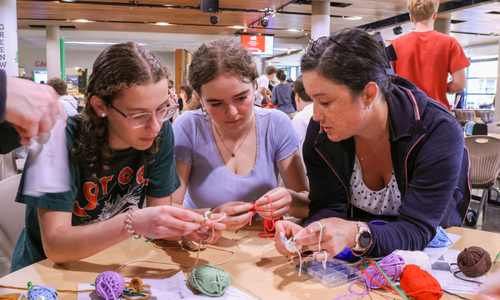
Why Schools & Educators Choose the Award
The Award is a flexible, school‑ready framework that brings structure and purpose to experiential learning. It places students at the centre while supporting educator guidance and consistency across learning experiences.
Ready to bring the Award to your school?
Get started hereThe Award framework supports educators and empowers young people through...

Stronger engagement and belonging through meaningful learning connected to curriculum and school programs.

An inclusive, non-competitive approach focused on individual student challenge and progress.

A manageable, flexible structure that supports goal setting, reflection, and experiential learning over time.

Built-in mentorship that strengthens student, educator, and peer relationships.

Simple portfolio development and progress tracking through the Online Record Book (ORB).

Internationally recognized achievement that validates and celebrates growth beyond grades.
Read About Our Experiential Learning Framework in Action
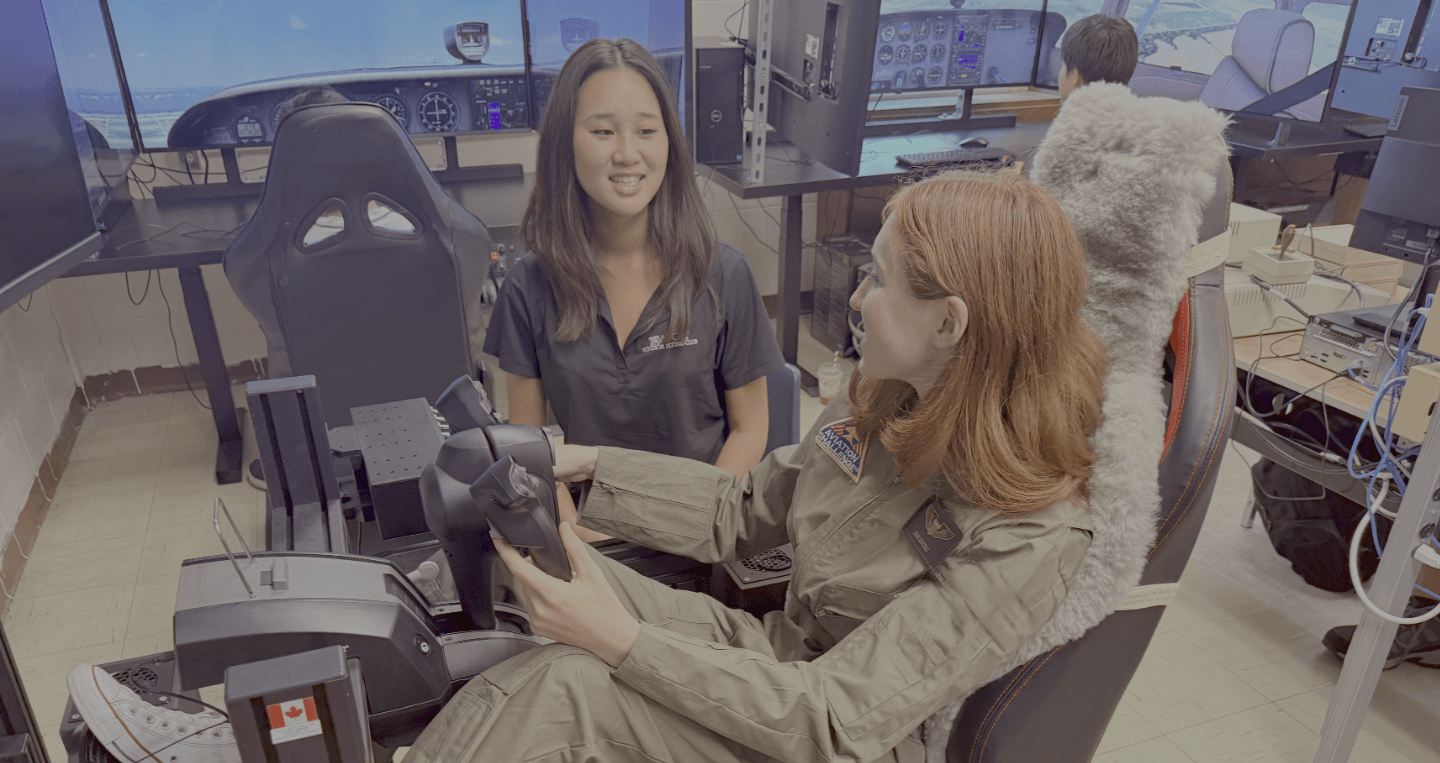
The Globe and Mail Spotlights the Award in Canada
This feature highlights how the Award is more than an extracurricular activity; it’s a proven framework for developing resilience, leadership, and real-world skills. By integrating experiential learning into education, the Award helps students build confidence, embrace challenges, and prepare for life beyond the classroom.
Read more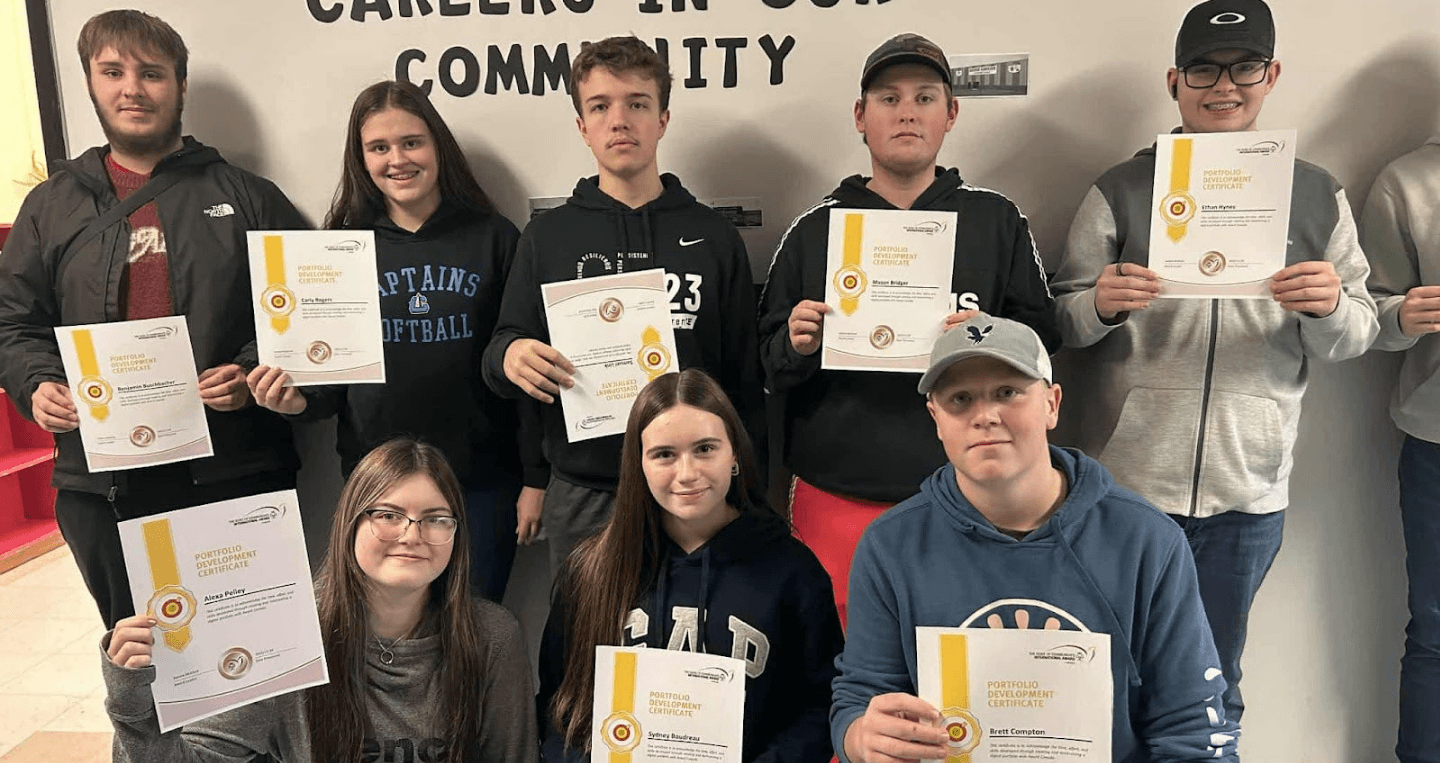
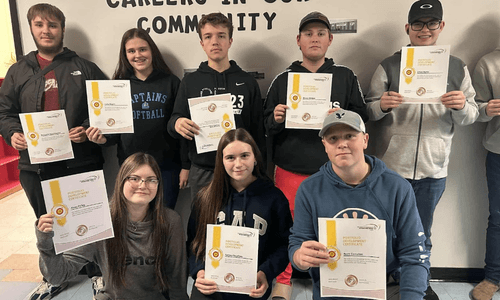
Bringing Experiential Learning to Life
At J.M. Olds Collegiate in Twillingate, NL experiential learning is part of everyday teaching. Joanne Mutford has integrated The Duke of Edinburgh’s International Award into Career’s curriculum so students can connect school learning goals with real experiences they care about.
Read more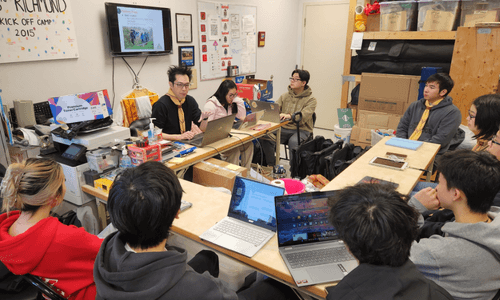
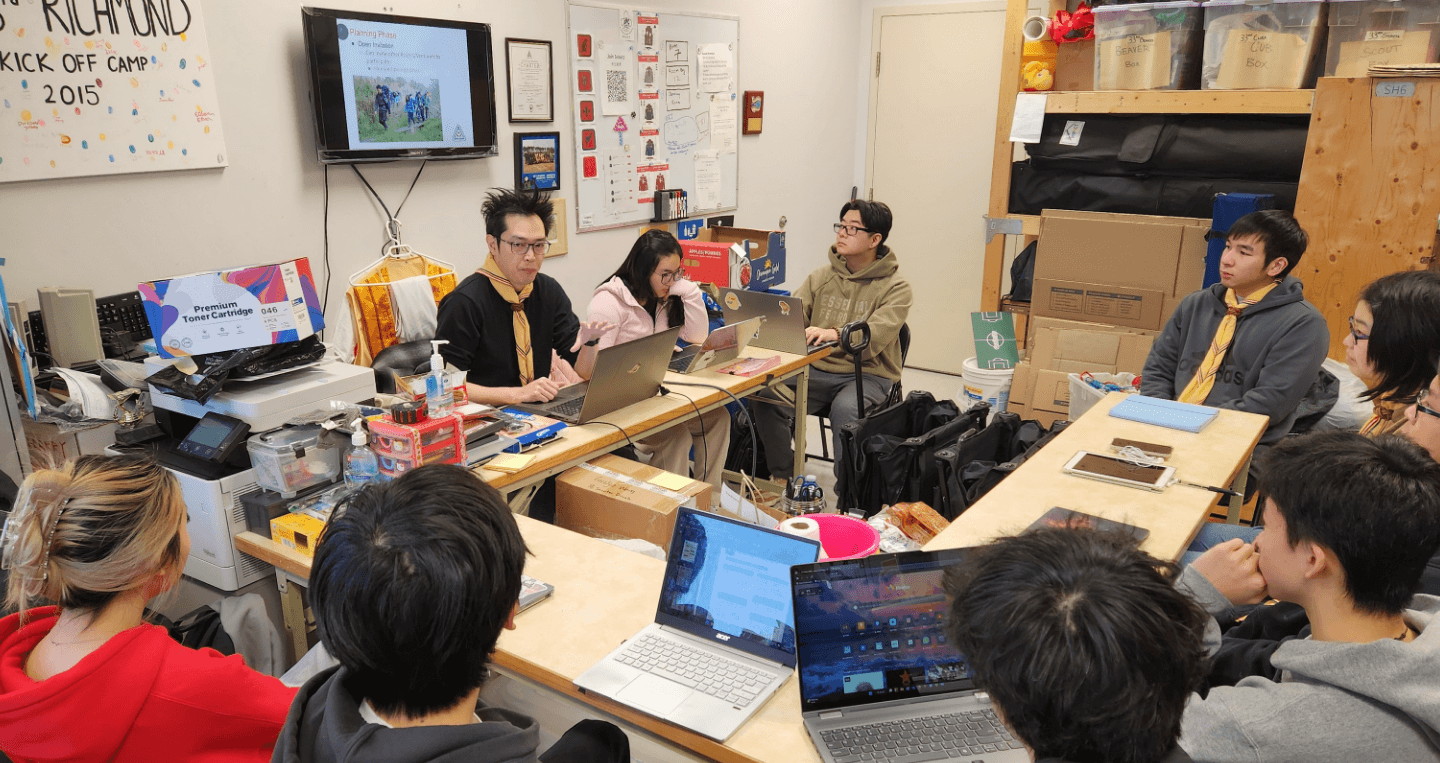
Small Shifts, Big Impact: Easier Award Delivery
What Award Centres are doing differently: Rather than running the Award only outside of regular schedules, many Centres are using existing class or program time to support participants. They aren’t adding more, they are using the moments that already bring young people together.
Read more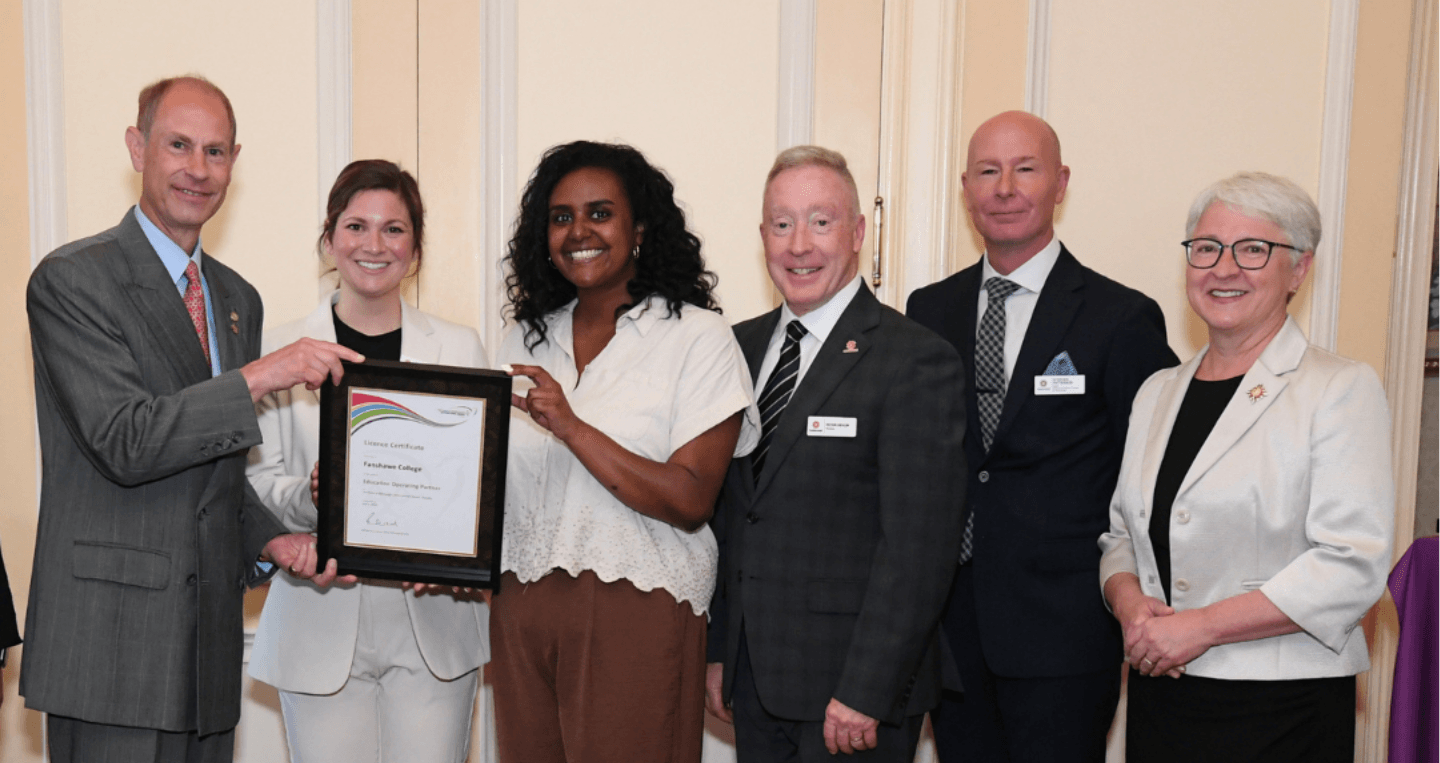
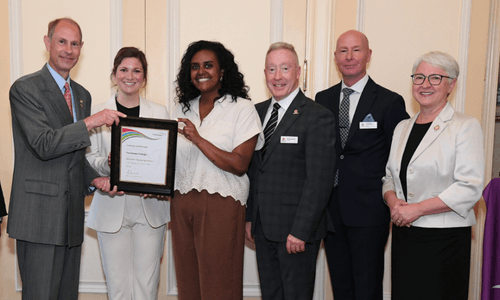
Fanshawe College Becomes First Post-Secondary EOP in Co-curricular Approach
Fanshawe College is the first post-secondary institution in Canada to partner with Award Canada through its Co-curricular Approach to empower educators and students, beginning with Fanshawe’s Women in Skilled Trades Program, to build leadership, confidence, and purpose through experiential learning. Read more.
Read more

Transforming Adolescent Development with Strength-Based Approaches
Award Canada’s position paper, Delivering Youth Development Outcomes the Award Canada Way, draws on leading developmental and neuroscience research to highlight a powerful truth: between the ages of 14 – 24, the experiences and influences that a young person has directly impact their long-term future, their aspirations and hopes, and more fundamentally, how their brain develops.
Read more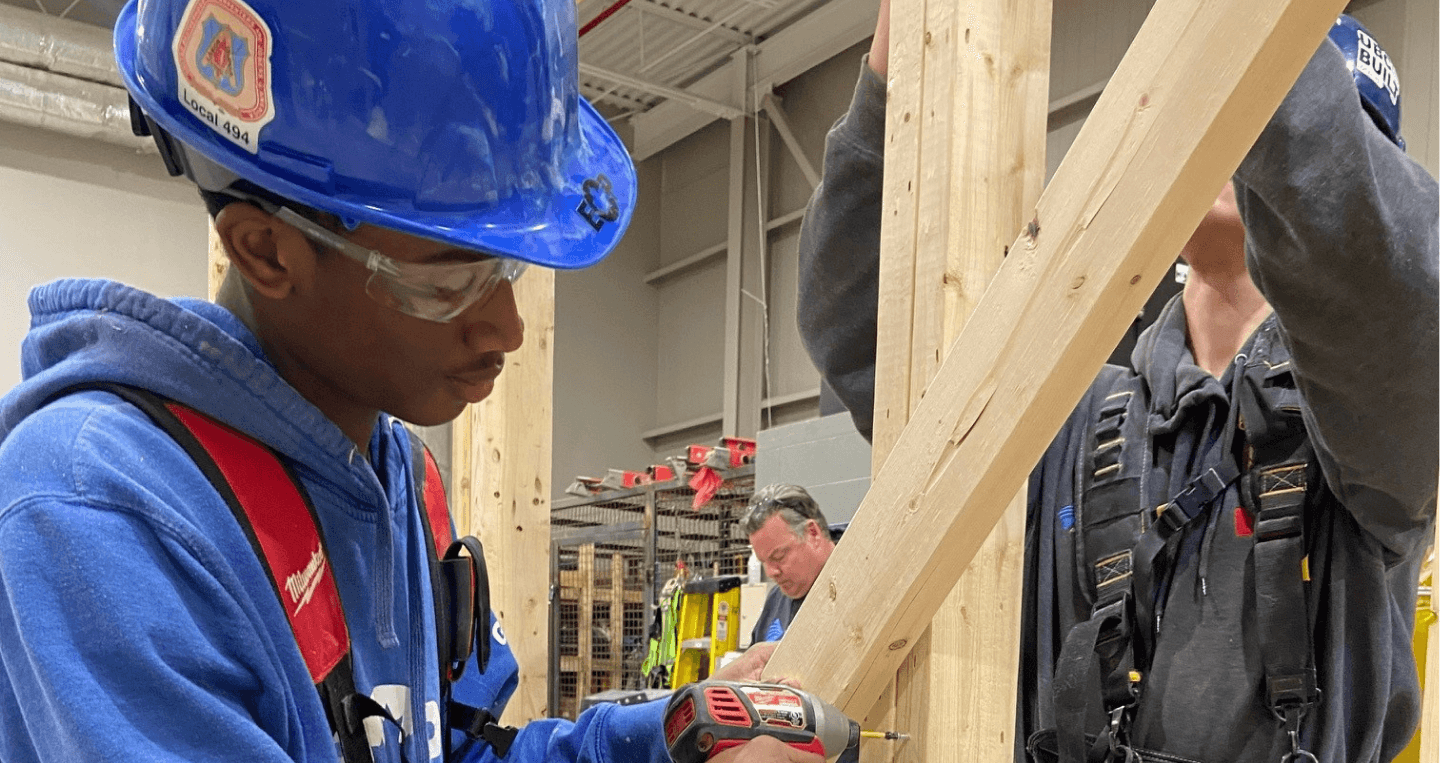
Co-curricular Learning Thrives with Partner Support
Award Canada is grateful for the support of both corporate and education partners in advancing the Co-curricular Approach Pilot. Their contributions are essential in expanding access to experiential learning, helping young people in Canada build key life skills and prepare for future success.
Read more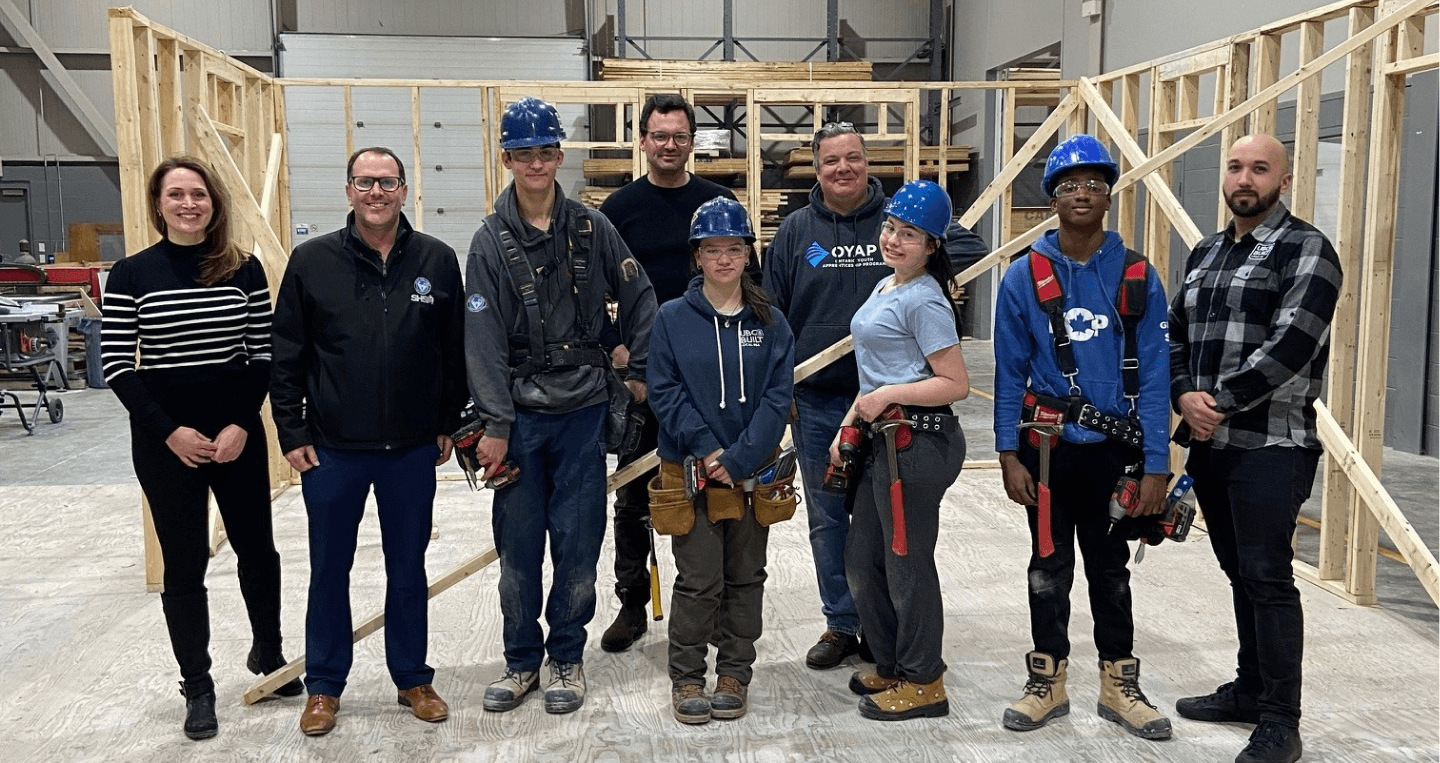
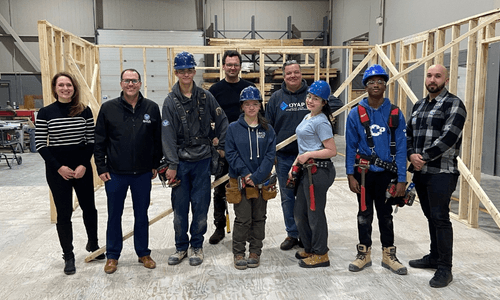
GECDSB Joins Award Canada's Co-curricular Pilot
A big welcome to the Greater Essex County District School Board (GECDSB) as an Award Canada Operating Partner! We’re excited to work alongside GECDSB educators to bring the Award’s experiential learning framework to students in their schools in Ontario.
Read moreIn the future, people will need far greater flexibility, resilience, capability, capacity to adjust, problem-solving and communication skills to deal with fast-changing times, constant innovation and ever more unpredictable circumstances. We have known this for some time, though perhaps many of us remain surprised, even shocked, at the pace it has come upon us.
Dr Howard Williamson Cvo Cbe Frsa Fhea, Professor Of European Youth Policy At The University Of South Wales. Trustee Of The Duke Of Edinburgh’s International Award Foundation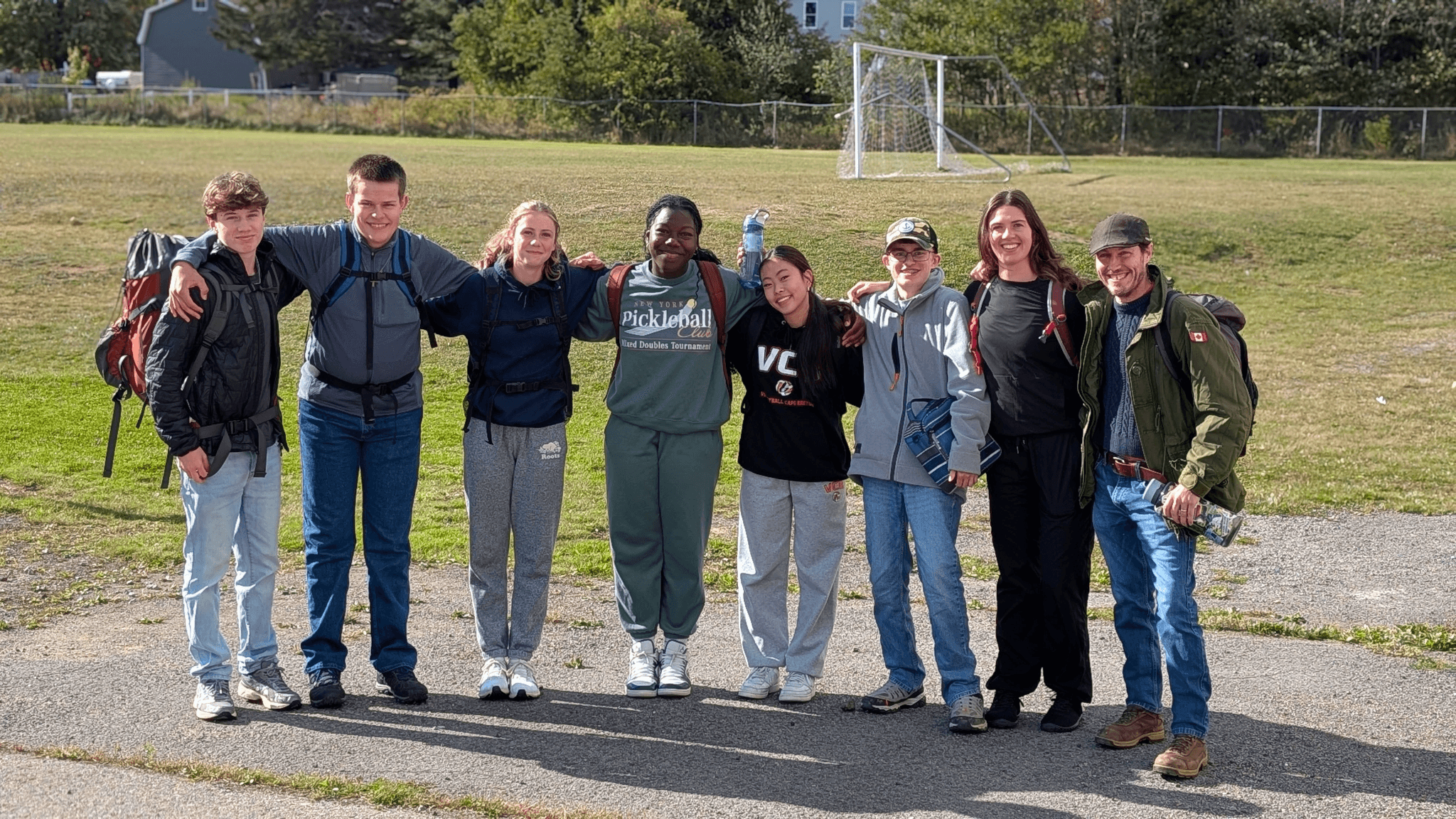
How does the Award work?
A Holistic Approach to Personal Development
The Award supports young people in building skills, confidence, and character across all areas of life. By balancing physical activity, service, skills development, and personal challenge, this approach encourages self awareness, resilience, and a strong sense of purpose.
Young people set and achieve SMART Goals in 4 activity categories...

Giving back through community involvement

Developing a personal interest or talent

Improving fitness and healthy habits

Building teamwork through planning and completing a group journey

Developing leadership through shared purpose and challenge
Young people work to achieve their goals 1 week at a time for:

13-26 weeks at the Bronze Level

26-52 weeks at the Silver Level

52-78 weeks at the Gold Level
Plan → Do → Review
Milestones are acknowledged to reinforce confidence, motivation, and follow-through. Recognition is part of the Award journey, helping students see progress and stay engaged over time. As students reach milestones, their learning and effort are acknowledged in meaningful ways, reinforcing confidence, motivation, and follow-through while supporting continued growth.

Students register and identify what they are working toward and why. Educators support goal setting connected to course or program outcomes, using the ORB as a portfolio tool from the start.

Students participate in real learning experiences through your school context. Schools define the experience; students personalize their goals and learning focus.
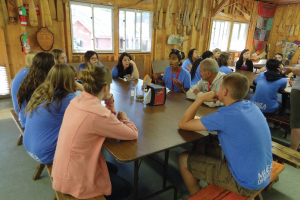
Students reflect on their learning and record evidence over time in the Online Record Book (ORB). Educators and assessors provide feedback, confirm progress, and support next steps through shared mentorship.
Co-curricular Award Integration Examples:
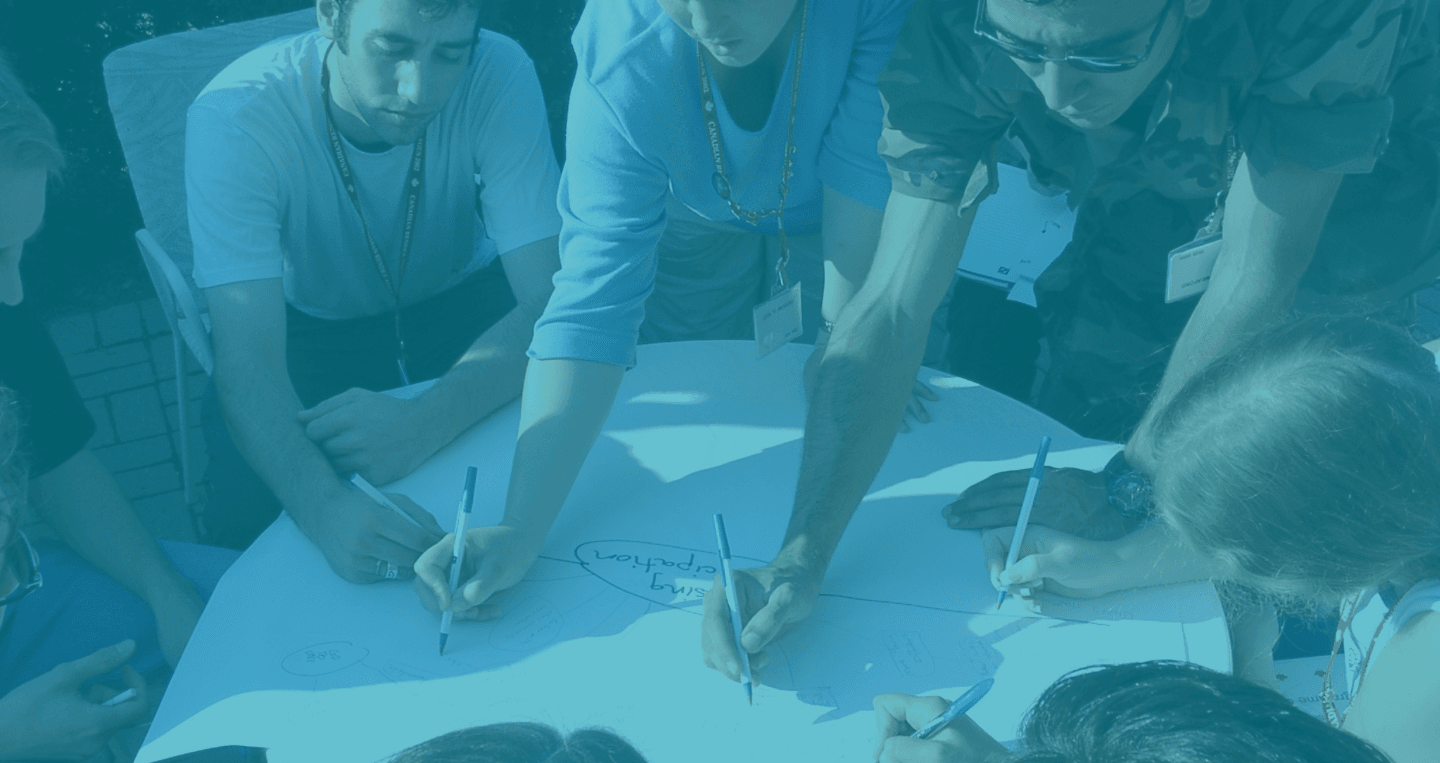
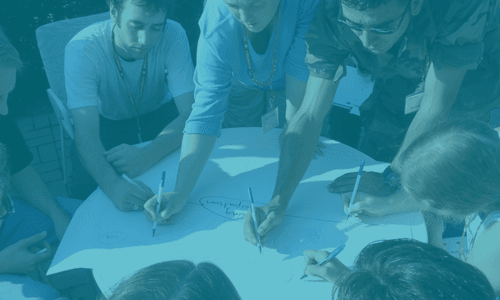
Career Education
Career Education, where students connect classroom learning and real‑world experiences to goal setting, reflection, and portfolio development
Read more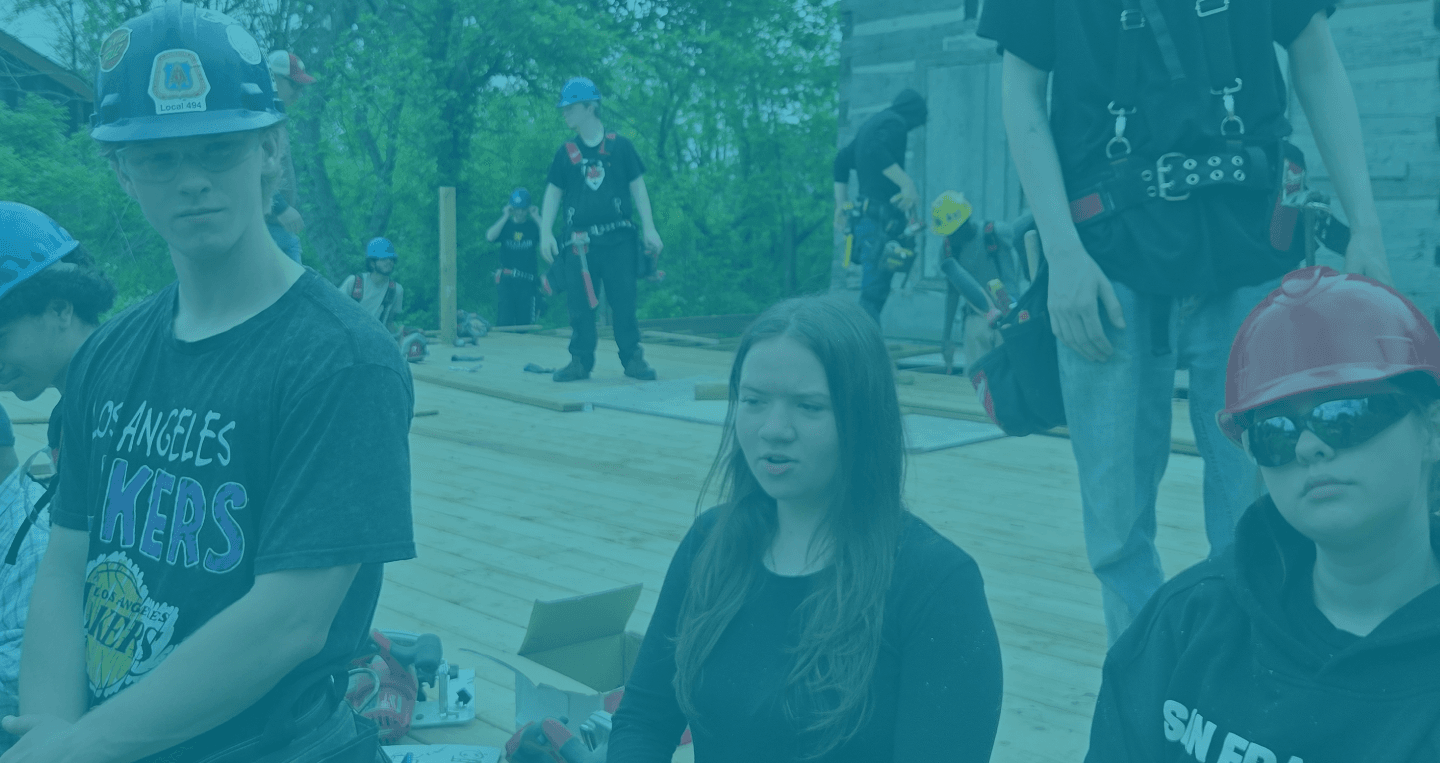
Co‑operative Education
Supporting workplace learning through structured goal setting, reflection, and evidence of skill development
Read more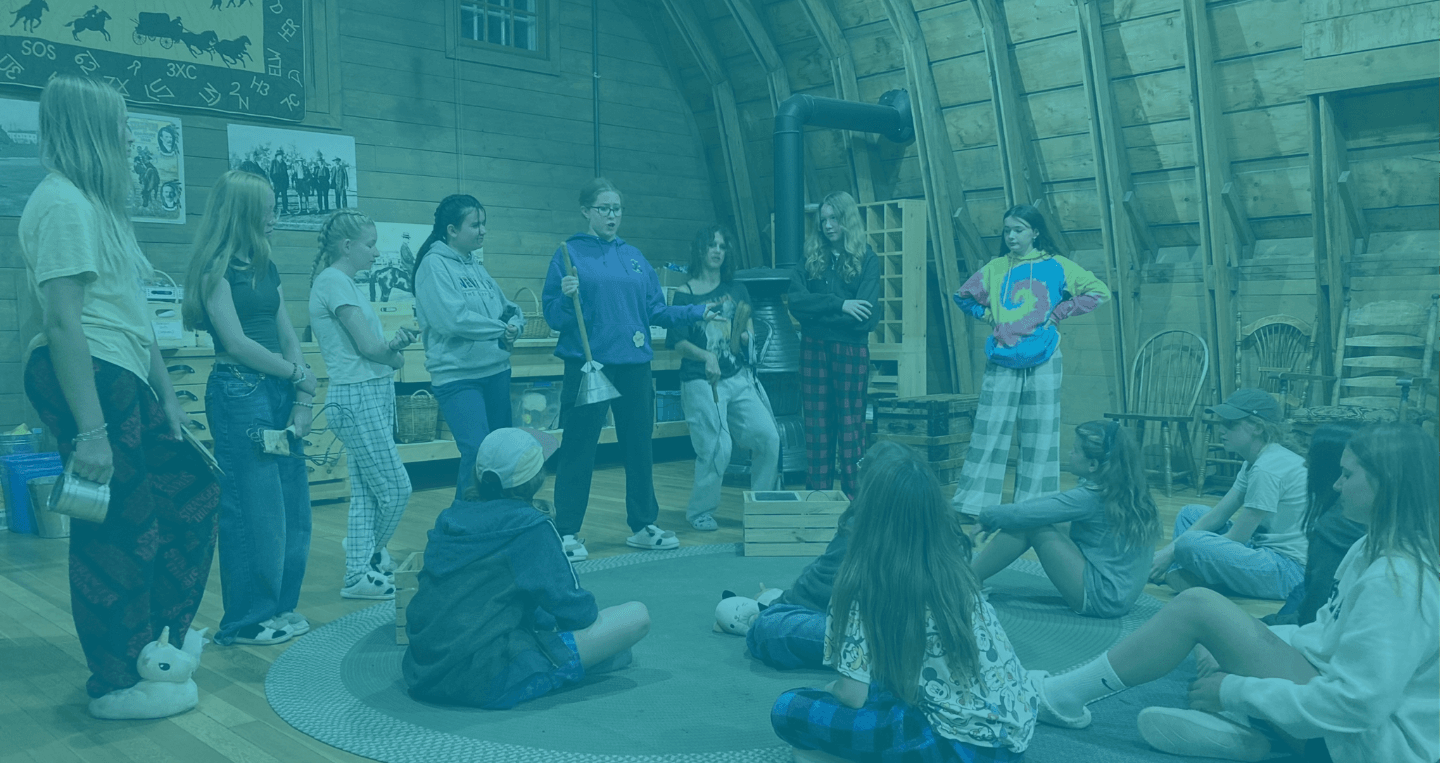
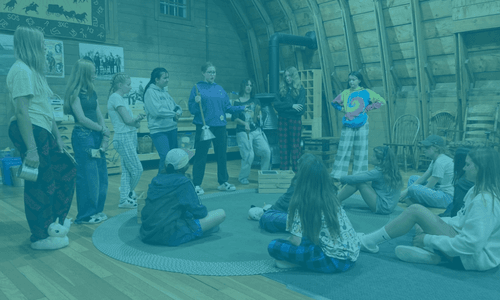
Alternate and Special Education
Enabling personalized pathways that recognize individual progress and growth
Read more

Leadership or school‑based programs
Where students plan, act, and reflect on meaningful responsibilities and initiatives.
Read more“The Duke of Edinburgh Award is an experiential reflection framework that brings coherence to how students plan, document, and make meaning of learning beyond the classroom.”
Bernadette Smith, Superintendent – Innovation and International Programs, Peel DSBBuilt on Research & Expertise
The Award’s co‑curricular approach was developed through evidence‑informed design and collaboration with education and youth‑development leaders across Canada. We are grateful to the individuals who contributed their expertise to ensure this model is practical, school‑ready, and aligned with system priorities. This approach is grounded in research demonstrating the impact of structured experiential and co‑curricular learning on youth development and student outcomes.
Read key research reports here:

Advisory Committee
We gratefully acknowledge the Award Advisory Committee for their guidance and insight building our co-curricular Award delivery approach.

Robyn Breen, Partnerships and Initiatives, Newfoundland and Labrador Department of Education

Laura Briscoe, Experiential Learning Consultant

Brigitte d’Auzac, Vice‑President of Operations, Historica Canada

Laura Elliott, Former Executive Director, Council of Ontario Directors of Education

Michael Graham, Curriculum Coordinator, Alberta

Paul E. Henry, OStJ, CD, M.Ed., ECCM, FNWC, FRSA, Major (Ret’d)/Director of Education and Secretary-Treasurer (Ret’d)

Mark Little, CEO of Award Canada

Jaclyn Reid, Director of French Education, Programs and Services – Prince Edward Island Department of Education
Because the Award is so prestigious, students were genuinely excited to realize that their everyday efforts are worthy of recognition. It helped reinforce that their learning is shaping them as people and supporting their personal goals. When learning feels important and relevant, students engage more deeply, and this Award has done exactly that.”
Joanne Mutford, NL Schools Teacher
Partner With Us
Our experiential learning framework is flexible, school-ready way to make experiential learning easier to plan, support, and track over time. Tell us what you are trying to strengthen in your school or board, and we will help map a co-curricular approach that fits your priorities and capacity. Not a school or school board? Visit Deliver the Award for general delivery partner information.
See Our Current Education Operating Partners
If your province page is not live yet, contact us and we will help map a starting approach. Provincial pages are designed primarily for current deliverers and include local partners, resources, and any province-specific requirements or credit options where applicable.



Frequently Asked Questions

It means students complete the Award alongside a class or school program, with clear links to curriculum or experiential learning outcomes, while still setting their own goals and completing Award requirements as a cohort.
At minimum, each school needs one trained staff member to support Award delivery. In some cases, the same person may take on more than one role, though we strongly encourage shared responsibility where possible.
Minimum roles required:
- Award Leader(s): mentors students, reviews goals/reflections, and approves progress in the ORB.
- School Lead/Coordinator: oversees setup, signs the licence agreement, and supports Award Leaders.
Students can use activities they already do (classes, sports, clubs, leadership, volunteering, arts, outdoor activities) if they:
- Set a goal for the activity (what they will improve or contribute).
- Do it consistently over time (meeting the Award time requirements).
- Reflect on progress (what they learned, how they grew).
- Have an assessor/mentor who can confirm participation and progress (this can be a coach, supervisor, instructor, community lead, etc., depending on the activity).

